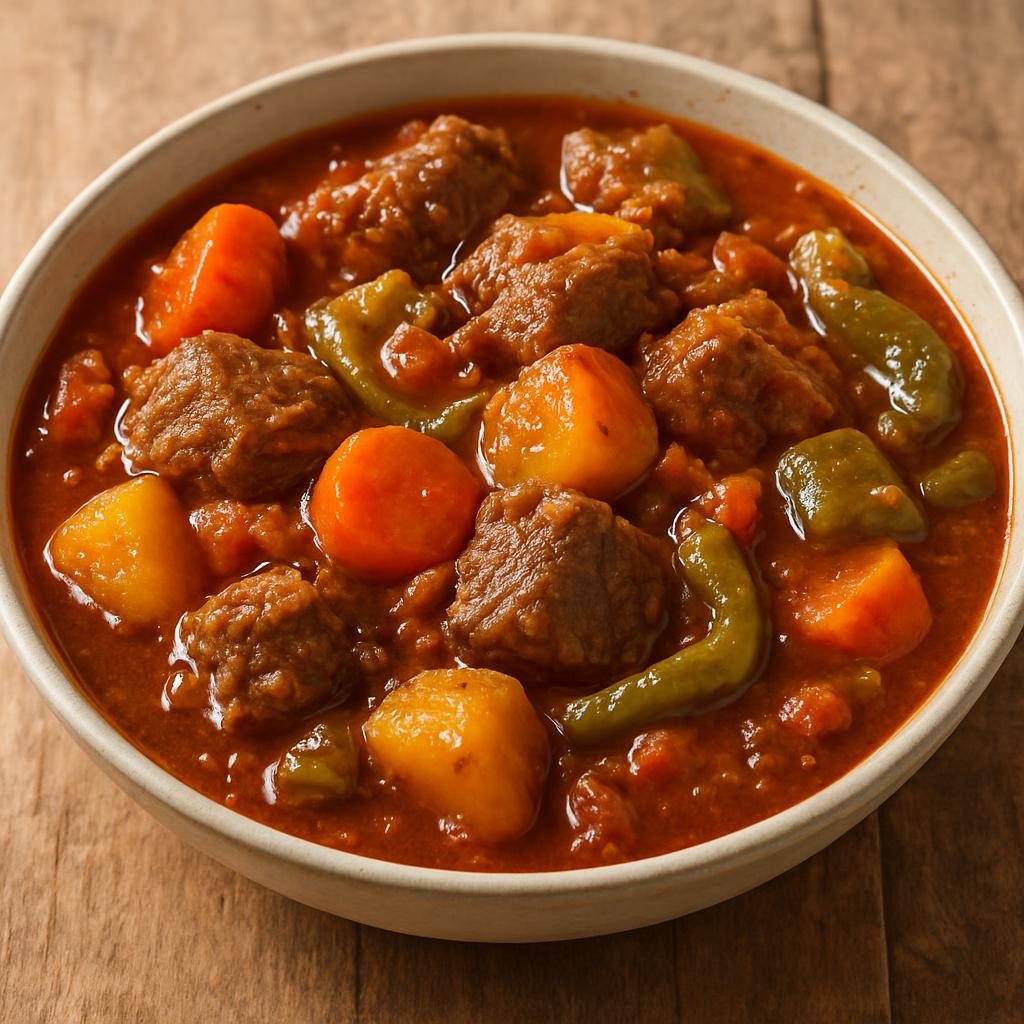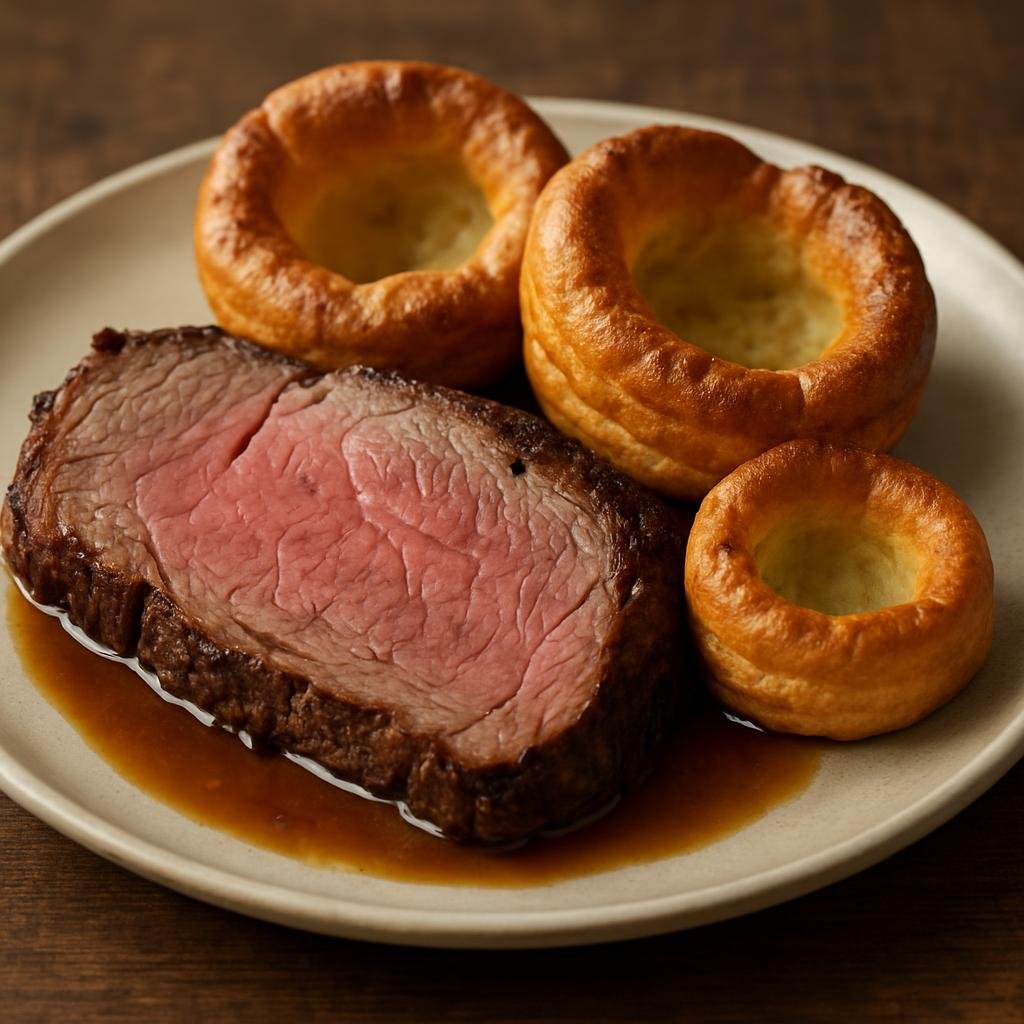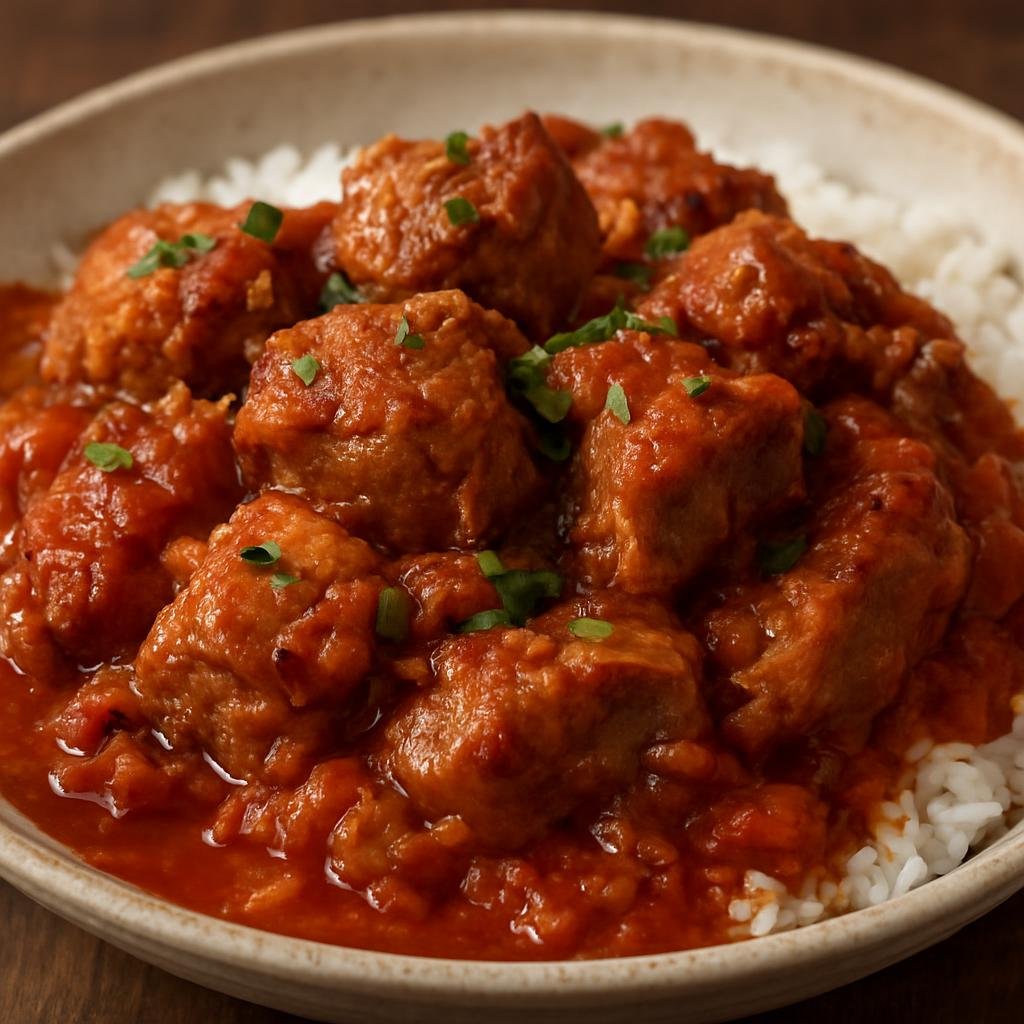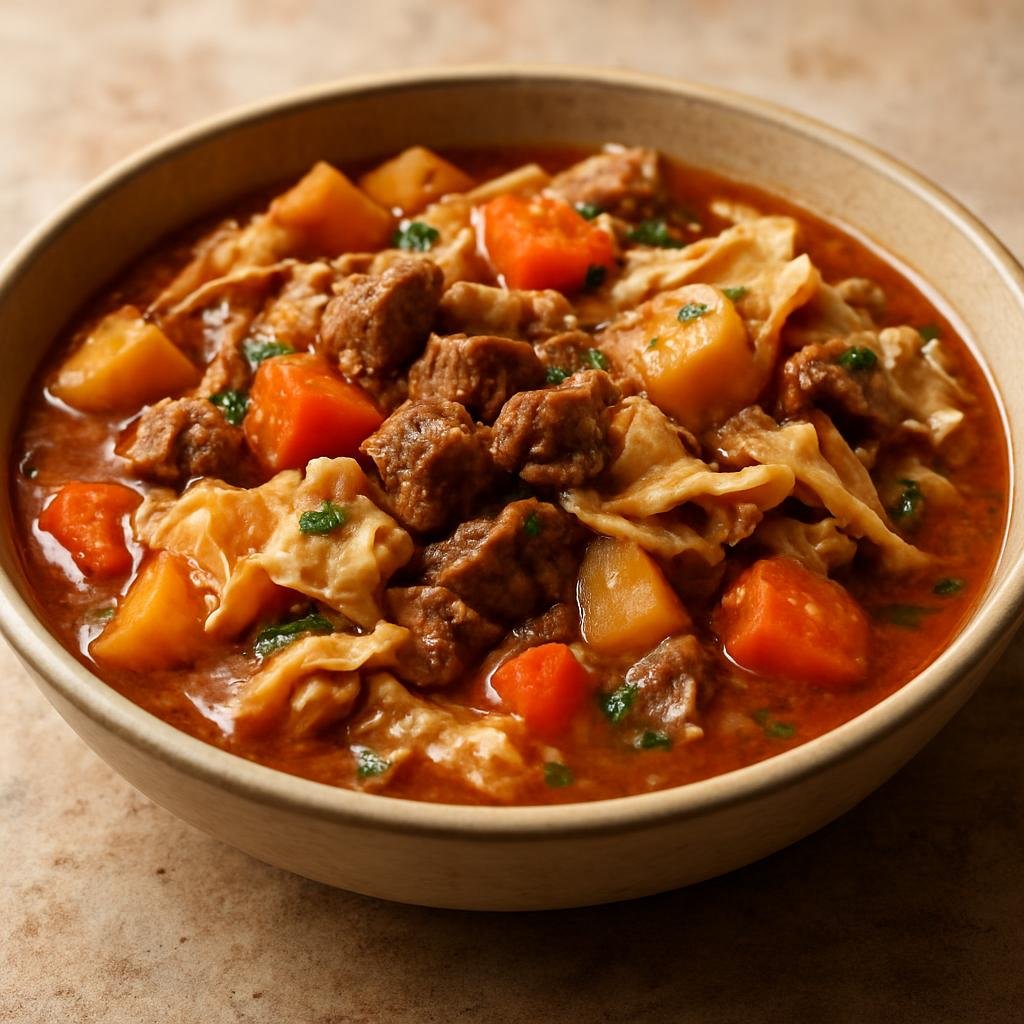
- 3 large egg yolks - 75 g caster sugar - 1 tsp vanilla extract - 300 ml whipping cream - 1/2 cup pomegranate seeds plus extra for garnish - 2 kiwis, peeled and pureed - 1/2 cup halved grapes (optional)
1. Whisk egg yolks with caster sugar over a bain-marie until thick, pale and ribbon-like (about 5–7 minutes). Remove and cool slightly; stir in vanilla. 2. Whip the cream to soft peaks. 3. Fold the whipped cream gently into the cooled yolk mixture to form a light mousse. 4. Fold half the kiwi puree into the mixture for a pale green base; reserve the other half for swirls. 5. Spoon half the semifreddo into a loaf tin lined with clingfilm, sprinkle half the pomegranate seeds and some grapes, add remaining semifreddo and swirl remaining kiwi puree through gently with a skewer. 6. Freeze at least 6 hours or overnight. Slice and serve topped with extra pomegranate seeds and grape halves.
- 500 ml whipping cream - 60–80 g caster sugar - 1 tsp vanilla extract or 1 vanilla pod, split - 2 1/2 tsp powdered gelatin (or 5 gelatine leaves), softened - 1/2 cup pomegranate juice - 2 tbsp caster sugar (for coulis) - 2 kiwis, peeled and sliced - 1 cup grapes, halved - 2–3 tbsp pomegranate seeds for garnish
1. If using powdered gelatin, sprinkle over 3 tbsp cold water and let bloom 5 minutes (or soak leaves per package). 2. Heat whipping cream, sugar and vanilla until just below simmering; remove from heat and stir in bloomed gelatin until fully dissolved. 3. Pour into moulds or glasses and chill 4 hours or until set. 4. For the coulis, simmer pomegranate juice with 2 tbsp sugar until slightly reduced, cool and strain. 5. Unmold panna cottas onto plates (or serve in glasses), spoon pomegranate coulis over, and top with kiwi slices, halved grapes and pomegranate seeds.
- 4 ripe peaches, halved and stones removed - 200 g raspberries (fresh or frozen) - 75 g granulated sugar (for coulis) - 1 tbsp lemon juice - 200 ml whipping cream - 1 tsp vanilla extract - 1–2 tbsp caster sugar (for whipped cream)
1. Bring a pot of water to a gentle simmer. Score peach skins, blanch 30–60 seconds, then plunge into ice water and peel. Halve and remove stones. 2. In a saucepan combine raspberries, 75 g sugar and lemon juice; simmer 5–8 minutes until softened. Pass through a sieve to make a smooth coulis; chill. 3. Whip the whipping cream with vanilla and 1–2 tbsp caster sugar until soft peaks form; refrigerate until needed. 4. If desired, gently warm the peach halves in a little butter and sugar for 2–3 minutes to glaze, or serve at room temperature. 5. To serve, spoon raspberry coulis onto plates, top with a halved peach and a generous dollop of whipped cream. Garnish with a few whole raspberries. ---
- 4 ripe nectarines, pitted and sliced - 3 large eggs - 100 g granulated sugar - 120 g all-purpose flour - 200 ml milk - 100 ml whipping cream - 1 tsp vanilla extract - Pinch of salt - Butter for the baking dish and optional icing sugar to finish
1. Preheat oven to 180°C (350°F). Butter a 23–25 cm baking dish and arrange nectarine slices in an even layer. 2. Whisk eggs with sugar until slightly pale. Add flour and salt and whisk to combine. 3. Gradually whisk in milk, whipping cream and vanilla until smooth and slightly runny. 4. Pour batter over nectarines and bake 35–45 minutes until puffed and set and a toothpick in center comes out clean. 5. Cool slightly (it will settle). Dust with icing sugar and serve warm or at room temperature with a spoonful of whipped cream. ---
- 300–400 g sponge cake or store-bought ladyfingers - 3–4 tbsp sherry or fruit juice (optional) - 500 ml prepared custard (homemade or shop-bought) - 300 ml whipping cream - 2 tbsp icing sugar - 1 tsp vanilla extract - 2 kiwis, sliced - 1 cup seedless grapes, halved - 1/2 cup pomegranate seeds - 2–3 tbsp raspberry or strawberry jam (optional)
1. Cut sponge into pieces and arrange a layer on the bottom of a large glass bowl. Brush lightly with sherry or fruit juice; spread a thin layer of jam if using. 2. Pour or spoon a layer of custard over the sponge to cover. 3. Add a layer of sliced kiwi, grapes and pomegranate seeds. 4. Repeat sponge and custard layers if your bowl allows, finishing with a smooth custard layer. 5. Whip the cream with icing sugar and vanilla to firm peaks; spread over the top of the trifle. 6. Scatter remaining fruit on top and chill at least 2 hours before serving.
- 1.2 kg fresh peaches, peeled, pitted and sliced (or mixture of peaches and nectarines) - 150 g granulated sugar (for fruit) - 1 tbsp lemon juice - 1 tsp cinnamon (optional) - 200 g all-purpose flour - 2 tsp baking powder - 50 g caster sugar - 1/4 tsp salt - 75 g cold unsalted butter - 200 ml milk - 200 ml whipping cream, sweetened for serving
1. Preheat oven to 190°C (375°F). Toss sliced peaches with 150 g sugar, lemon juice and cinnamon; set aside to macerate 15 minutes. 2. Spoon fruit into a buttered baking dish, pouring any juices over. 3. Make topping: combine flour, baking powder, 50 g sugar and salt. Cut in cold butter until mixture resembles coarse crumbs, stir in milk to make a batter. 4. Spoon or dollop batter over peaches, covering as much surface as possible. 5. Bake 35–45 minutes until topping is golden and fruit is bubbly. 6. Whip whipping cream to soft peaks and serve warm cobbler with a generous spoonful. ---
- 4 large egg whites, at room temperature - 200 g caster sugar - 1 tsp white vinegar - 1 tsp cornflour (cornstarch) - 1 tsp vanilla extract - 200–250 ml whipping cream - 2 tbsp icing sugar (for cream) - 2 peaches, 2 nectarines and 3 plums, sliced - 1 tbsp lemon juice + 1–2 tsp sugar to macerate fruit
1. Preheat oven to 120°C (250°F). Line a baking sheet with parchment and draw a 20–22 cm circle as a guide. 2. Beat egg whites to soft peaks, then gradually add caster sugar, beating until glossy and stiff peaks form. Fold in vinegar, cornflour and vanilla. 3. Pile meringue inside drawn circle to make a slight well in the center. Bake 1–1¼ hours until dry to the touch; turn off oven and cool inside with door ajar. 4. Toss sliced fruit with lemon juice and 1–2 tsp sugar; let macerate 10–15 minutes. 5. Whip the whipping cream with icing sugar to medium peaks. 6. When meringue is cool, spoon whipped cream into the center and arrange macerated stone fruit on top. Serve immediately. ---
- 300 g sponge cake or ladyfingers, sliced - 3–4 ripe peaches/nectarines/plums (mix), chopped - 50–75 ml sherry or fruit juice (optional) - 500 ml prepared custard (homemade or good-quality storebought) - 300 ml whipping cream - 2–3 tbsp caster sugar (for cream) - 1 tsp vanilla extract - Optional toasted almonds or chopped pistachios for garnish
1. Cut sponge into cubes and layer into a large trifle bowl. Sprinkle sherry or fruit juice over the sponge to moisten. 2. Scatter a generous layer of chopped peaches, nectarines and plums over the sponge. 3. Pour a thick layer of custard over the fruit and chill 1 hour to set. 4. Whip whipping cream with caster sugar and vanilla to soft peaks. 5. Spoon or pipe whipped cream over the chilled custard and garnish with remaining chopped fruit and toasted nuts. 6. Chill until ready to serve; allow a little time at room temperature before serving for best texture.
- Heirloom tomatoes, assorted colors, sliced - Red onion, thinly sliced - Fresh basil leaves - Extra-virgin olive oil - Red wine vinegar or balsamic vinegar (optional) - Sea salt and freshly ground black pepper
1. Arrange sliced heirloom tomatoes on a platter and scatter thinly sliced red onion over them. 2. Tuck whole or torn basil leaves among the tomato slices. 3. Drizzle with extra-virgin olive oil and, if using, a little vinegar. 4. Season with sea salt and black pepper to taste and serve immediately.
- Heirloom tomatoes, sliced - Fresh mozzarella (fior di latte or buffalo mozzarella), sliced - Fresh basil leaves - Extra-virgin olive oil - Balsamic reduction or good balsamic vinegar (optional) - Sea salt and freshly ground black pepper
1. Alternate slices of heirloom tomato and mozzarella on a serving plate, finishing with basil leaves. 2. Drizzle generously with extra-virgin olive oil and a little balsamic if desired. 3. Season with sea salt and freshly ground black pepper and serve at room temperature.
- Butter lettuce (Boston or Bibb), leaves separated and washed - Shallot, very thinly sliced - Dijon mustard - Red wine vinegar - Extra-virgin olive oil - Sea salt and freshly ground black pepper
1. Whisk together 1 tsp Dijon mustard, 2 tbsp red wine vinegar, salt and pepper; slowly whisk in 4 tbsp extra-virgin olive oil to emulsify. 2. Place butter lettuce leaves and sliced shallot in a bowl. 3. Toss gently with vinaigrette to coat just before serving so the leaves remain tender.
- Baby spinach, washed and spun dry - Bacon, diced - Cremini or button mushrooms, sliced - Red wine vinegar or cider vinegar - Dijon mustard (optional) - Hard-boiled eggs, quartered - Salt and freshly ground black pepper
1. Cook diced bacon in a skillet until crisp; remove and drain on paper towel, reserving drippings. 2. In the warm bacon drippings, sauté sliced mushrooms briefly, then remove pan from heat and stir in 2 tbsp vinegar and 1 tsp Dijon if using. 3. Place baby spinach in a bowl, pour the warm mushroom-and-bacon dressing over the greens, and toss to wilt slightly. 4. Top with crisp bacon pieces, quartered hard-boiled eggs, season with salt and pepper, and serve immediately.
- Fresh watercress, trimmed and washed - Fresh lemon juice - Extra-virgin olive oil - Shaved Parmesan or Pecorino - Sea salt and freshly ground black pepper - Optional: thinly sliced radishes
1. Whisk together 2 tbsp lemon juice and 4 tbsp extra-virgin olive oil with salt and pepper to taste. 2. Place watercress (and radish slices if using) in a bowl and drizzle with the lemon dressing. 3. Toss gently, mound on a serving plate, and finish with generous shavings of Parmesan.
- 300 ml whipping cream - 2 tbsp caster sugar - 1 tsp vanilla extract - 4–6 store-bought or homemade meringue nests, roughly broken - 2 kiwis, peeled and diced - 1 cup seedless grapes, halved - 1/2 cup pomegranate seeds
1. Whip the cream with caster sugar and vanilla to soft peaks. 2. Gently fold in the broken meringue pieces, leaving some larger shards for texture. 3. Fold in diced kiwi, halved grapes and pomegranate seeds, reserving a few for garnish. 4. Spoon into bowls, top with reserved fruit and serve immediately.
- 12 oz snow crab meat, picked over for shells - 1 large egg, lightly beaten - 1/3 cup mayonnaise - 1 tsp Dijon mustard - 1 tsp Worcestershire sauce - 1 tsp Old Bay seasoning - 2 tbsp chopped fresh parsley - 3/4 cup panko breadcrumbs (plus extra for dredging) - 2 tbsp butter and 2 tbsp olive oil for frying - Lemon wedges, for serving - For remoulade: 1/2 cup mayonnaise, 1 tbsp Dijon, 1 tbsp chopped cornichon or pickle, 1 tsp capers chopped, pinch paprika, salt and pepper
1. Gently flake snow crab meat into a bowl, removing any shells; fold in egg, mayonnaise, Dijon, Worcestershire, Old Bay and parsley. 2. Fold in 3/4 cup panko until mixture holds together; chill 20–30 minutes to firm. 3. Form into small golf-ball–sized patties, press lightly, then dredge both sides in extra panko. 4. Heat butter and oil in a skillet over medium heat; cook crab cakes 3–4 minutes per side until golden and heated through. 5. Whisk remoulade ingredients together; serve crab cakes warm with remoulade and lemon wedges.
- 8 oz snow crab meat, flaked - 8 oz cream cheese, softened - 2 green onions, finely chopped - 1/2 tsp garlic powder - 1/2 tsp soy sauce - 24 wonton wrappers - Vegetable oil for frying - Sweet chili sauce or duck sauce, for dipping
1. In a bowl, combine cream cheese, flaked snow crab, green onions, garlic powder and soy sauce until smooth. 2. Place about 1 teaspoon of filling in center of each wonton wrapper; moisten edges with water and fold into desired shape (triangle or purse), sealing tightly. 3. Heat 1–2 inches oil in a heavy skillet to 350°F (175°C) or until a small piece of wrapper sizzles. 4. Fry rangoon in batches 1–2 minutes per side until golden brown and crisp; drain on paper towels. 5. Serve hot with sweet chili or duck sauce.
- 24 large white or cremini mushrooms, stems removed - 10 oz snow crab meat, chopped - 1/2 cup cream cheese, softened - 1/4 cup grated Parmesan - 1/4 cup breadcrumbs - 1 garlic clove, minced - 2 tbsp chopped parsley - 2 tbsp melted butter - Salt and pepper to taste
1. Preheat oven to 375°F (190°C). Clean mushrooms and remove stems; set caps aside. 2. Chop stems finely and sauté with garlic in 1 tbsp butter until softened; cool slightly. 3. Mix sautéed stems, snow crab, cream cheese, Parmesan, breadcrumbs, parsley and remaining melted butter; season to taste. 4. Spoon filling into mushroom caps, mounding slightly; place on a baking sheet. 5. Bake 15–18 minutes until filling is set and tops are golden; serve warm.
- 1 lb cooked snow crab meat or crab leg sections, chilled and cracked - 1 cup cocktail sauce (or make: 3/4 cup ketchup, 2–3 tbsp prepared horseradish, 1 tsp Worcestershire, 1 tsp lemon juice, dash hot sauce) - Ice-lined serving bowl or individual cocktail glasses - Lemon wedges and chopped parsley for garnish
1. If using legs, crack and extract meat; chill thoroughly. 2. Whisk cocktail sauce ingredients (if making) and adjust heat and acidity to taste. 3. Arrange ice in a serving bowl or individual glasses and pile chilled crab meat on top. 4. Spoon cocktail sauce on the side or over crab, garnish with lemon wedges and parsley, and serve immediately.
- 10 oz snow crab meat, chilled and flaked - 4 cups mixed crisp lettuce (iceberg and romaine), chopped - 2 hard-boiled eggs, quartered - 1 cup cherry tomatoes, halved - 6 steamed asparagus spears, cut into 1-inch pieces (optional) - 1/4 cup sliced black olives (optional) - For Louie dressing: 1/2 cup mayonnaise, 2 tbsp ketchup, 1 tbsp lemon juice, 1 tsp Worcestershire sauce, pinch cayenne, salt and pepper
1. Whisk Louie dressing ingredients until smooth; chill briefly to meld flavors. 2. On plates or atop endive leaves, arrange lettuce, tomatoes, asparagus and olives. 3. Nestle flaked snow crab on top and add quartered eggs. 4. Drizzle Louie dressing over each portion or serve on the side; garnish with a lemon wedge.
- 4 large egg whites, room temperature - 1 cup (200 g) caster (superfine) sugar - 1 tsp white vinegar - 1 tsp cornflour (cornstarch) - 1 tsp vanilla extract - 1 cup (240 ml) whipping cream - 2 tbsp icing (powdered) sugar - 2 kiwis, peeled and sliced - 1 cup seedless grapes, halved - 1/2 cup pomegranate seeds - Mint leaves for garnish (optional)
1. Preheat oven to 120°C (250°F). Line a baking sheet with parchment and draw a 20 cm circle as a guide. 2. Whisk egg whites to soft peaks, then gradually add caster sugar, beating until glossy and stiff peaks form. Fold in vinegar, cornflour and vanilla. 3. Spoon meringue onto the parchment in the circle, shaping a slight well in the center. Smooth edges. 4. Bake 1¼–1½ hours until dry to the touch; turn oven off and leave pavlova inside to cool fully (at least 1 hour). 5. Whip whipping cream with icing sugar to soft peaks. Pile cream into the cooled pavlova well. 6. Top with kiwi slices, halved grapes and pomegranate seeds. Garnish with mint and serve immediately.
- 1 (3–4 lb) whole chicken, giblets removed - 2 lemons (1 halved, 1 sliced) - 6 garlic cloves, crushed - 2 tbsp fresh thyme leaves - 2 tbsp fresh rosemary, chopped - 3 tbsp olive oil or softened butter - Salt and freshly ground black pepper - 1 cup chicken stock (optional for pan)
1. Preheat oven to 425°F (220°C). Pat chicken dry and season cavity with salt and pepper; stuff with halved lemon, 2 garlic cloves and a sprig of thyme. 2. Mix olive oil/butter with chopped rosemary, thyme, crushed garlic and zest of remaining lemon; rub all over chicken and under the skin where possible. 3. Tie legs together with kitchen twine and tuck wings under. Place on a rack in a roasting pan and scatter lemon slices around. 4. Roast 20 minutes at 425°F, then reduce heat to 375°F (190°C) and roast another 45–60 minutes until an instant-read thermometer reads 165°F (74°C) in the thickest part of the thigh. 5. Transfer to a cutting board and rest 10–15 minutes before carving. Spoon pan juices over slices when serving. ---
- 4 salmon fillets (6 oz each), skin on - Salt and freshly ground black pepper - 2 tbsp olive oil - 3 tbsp unsalted butter - 1 small shallot, minced - 1/4 cup dry white wine or fish stock - Juice of 1 lemon - 2 tbsp fresh dill, chopped - Lemon wedges, for serving
1. Pat salmon dry and season both sides with salt and pepper. 2. Heat oil in a large skillet over medium-high heat. Place salmon skin-side down and cook 4–5 minutes until skin is crisp; flip and cook 2–3 minutes more until desired doneness. 3. Remove salmon to a warm plate and tent with foil. 4. Reduce heat to medium, add butter to the pan, then sauté shallot until translucent. 5. Deglaze with white wine (or stock) and lemon juice, simmer 1–2 minutes, then stir in chopped dill and finish with remaining butter to create a glossy sauce. 6. Spoon sauce over salmon and serve with lemon wedges. ---
- 2–3 lb center-cut beef tenderloin, trimmed - Salt and freshly ground black pepper - 2 tbsp olive oil - 2 tbsp unsalted butter - 2 shallots, finely chopped - 1 cup dry red wine (e.g., Pinot Noir or Cabernet) - 1 cup beef stock - 1 tsp fresh thyme leaves
1. Preheat oven to 425°F (220°C). Season tenderloin generously with salt and pepper. 2. Heat olive oil in an ovenproof skillet over high heat and sear the beef on all sides until browned, about 2–3 minutes per side. 3. Transfer skillet to oven and roast 15–25 minutes until an instant-read thermometer registers 125–130°F (51–54°C) for medium-rare. 4. Remove beef to a platter, tent with foil and rest 10–15 minutes. 5. Meanwhile, return skillet to medium heat, add butter and shallots and sauté until softened. 6. Deglaze with red wine, scrape up browned bits, reduce by half, add beef stock and thyme, and simmer until sauce coats the back of a spoon. Strain if desired. 7. Slice beef and serve with the red wine reduction spooned over. ---
- 1 whole rabbit (2–3 lb), jointed - Salt and black pepper - 3 tbsp olive oil - 1 onion, chopped - 4 garlic cloves, minced - 1 (14 oz) can diced tomatoes or 2 cups fresh tomatoes - 1/2 cup dry white wine - 1/2 cup chicken stock - 1 cup pitted Niçoise or Kalamata olives - 1 tsp herbes de Provence (or mix of thyme, rosemary, savory) - 1 tbsp tomato paste (optional) - Fresh parsley or basil for garnish
1. Season rabbit with salt and pepper. Heat olive oil in a large skillet and brown rabbit pieces; set aside. 2. Sauté onion until translucent, add garlic and cook briefly. 3. Stir in tomato paste if using, add diced tomatoes, white wine and stock; bring to a simmer. 4. Return rabbit to the pan, add olives and herbes de Provence. 5. Cover and braise gently 40–50 minutes until meat is tender and flavors meld. 6. Adjust seasoning, garnish with parsley or basil, and serve warm.
- 1 1/2 cups arborio rice - 4 cups hot chicken or beef stock - 1 small onion or shallot, finely chopped - 3 tbsp unsalted butter, divided - 1/2 cup dry white wine - A pinch of saffron threads, steeped in 2 tbsp hot stock - 1/2 cup freshly grated Parmigiano-Reggiano - Salt and freshly ground black pepper
1. Keep the stock warm in a saucepan over low heat. Steep saffron in 2 tbsp hot stock. 2. In a heavy saucepan, melt 1 tbsp butter over medium heat and sauté onion until translucent. 3. Add arborio rice and toast 1–2 minutes, stirring so grains are coated. 4. Pour in white wine and cook until mostly absorbed. 5. Add ladlefuls of hot stock one at a time, stirring frequently and allowing liquid to be absorbed before each addition; stir in saffron-infused stock early in the process. 6. Continue for 18–20 minutes until rice is al dente and risotto is creamy. Remove from heat and stir in remaining butter and grated Parmigiano. Season to taste and serve immediately. ---
- 1 whole rabbit (2–3 lb), jointed - Salt and black pepper - 4 oz bacon lardons or pancetta, diced - 2 tbsp butter - 1 onion, sliced - 2 garlic cloves, minced - 1/2 cup Armagnac (or cognac/brandy) plus 12–15 prunes soaked in 2 tbsp Armagnac - 1 cup red wine - 1 cup beef or chicken stock - 1 tsp fresh thyme leaves - 1 bay leaf - Fresh parsley for garnish
1. Soak prunes in 2 tbsp Armagnac for 20–30 minutes. Season rabbit with salt and pepper. 2. Brown bacon lardons in a Dutch oven until crisp; remove and set aside, leaving fat. 3. Brown rabbit pieces in butter/fat until golden; remove and set aside. 4. Sauté onion and garlic in the pot until softened, deglaze with 1/2 cup Armagnac (careful with flames) and then add red wine to reduce slightly. 5. Return rabbit and bacon to the pot, add stock, thyme, bay leaf and soaked prunes (including soaking liquid). 6. Simmer gently, covered, for 45–60 minutes until rabbit is tender and sauce is glossy. 7. Remove bay leaf, adjust seasoning, sprinkle with parsley and serve with prunes spooned over the rabbit. ---
- Sea scallops, rinsed and patted dry - Butter - Shallots, finely chopped - Button or cremini mushrooms, sliced - Dry white wine - Heavy cream - Gruyère or Parmesan, grated - Fresh parsley, chopped - Breadcrumbs - Lemon juice - Salt and black pepper
1. Sauté shallots in butter until translucent, add mushrooms and cook until soft. Deglaze with white wine and reduce slightly. 2. Stir in cream and simmer until sauce thickens; season with salt, pepper, and a little lemon juice. 3. Place scallops in small gratin dishes or shells, spoon sauce over scallops, sprinkle with breadcrumbs and grated cheese. 4. Broil until topping is golden and scallops are just cooked through, about 3–5 minutes. Garnish with parsley and serve immediately.
- Sea scallops, large - Thin-cut bacon strips, halved - Brown sugar or maple syrup (optional) - Toothpicks - Freshly ground black pepper
1. Pat scallops dry, season lightly with pepper. Wrap each scallop with a bacon half and secure with a toothpick. 2. Optional: brush bacon with a little brown sugar or maple syrup for glazing. 3. Broil or grill on medium-high heat, turning once, until bacon is crisp and scallops are opaque, about 6–10 minutes total. 4. Drain briefly on paper towel and serve hot.
- 1 whole rabbit (2–3 lb), jointed - 1 cup red wine - 1/2 cup apple cider vinegar or wine vinegar - 1 onion, sliced - 2 bay leaves - 6 whole juniper berries, crushed - 6 whole black peppercorns - Salt to taste - 3 tbsp butter or lard - 2 tbsp flour (for thickening) - 1 cup beef or chicken stock - 1–2 tbsp brown sugar or molasses (optional, to balance acidity) - 2 tbsp sour cream (optional, for finishing)
1. Combine red wine, vinegar, sliced onion, bay leaves, juniper and peppercorns in a bowl; add rabbit pieces, cover and marinate in the fridge overnight (8–24 hours). 2. Remove rabbit from marinade (reserve marinade) and pat dry; season with salt. 3. Heat butter or lard in a heavy pot and brown rabbit pieces on all sides; set aside. 4. Sauté the onions from the marinade in the pot until softened; add flour and cook briefly to brown. 5. Pour in reserved marinade and stock, scraping up browned bits; add rabbit back in. 6. Simmer gently, covered, 1–1.5 hours until very tender; stir in brown sugar if desired. 7. Remove rabbit to a platter; if desired, whisk in sour cream to the sauce, adjust seasoning, and pour over rabbit. ---
- Sea scallops, patted dry - Salt and freshly ground black pepper - Olive oil and butter - Garlic, minced - Lemon zest and lemon juice - Fresh parsley, chopped
1. Season scallops with salt and pepper. Heat oil in a skillet over high heat until shimmering. 2. Sear scallops without crowding, 1½–2 minutes per side, until a golden crust forms; remove and keep warm. 3. Reduce heat, add butter and garlic to skillet, cook briefly until fragrant, then add lemon zest and juice to make a quick sauce. 4. Spoon sauce over scallops, sprinkle with parsley, and serve immediately.
- Very fresh sea scallops, chilled - Extra-virgin olive oil - Fresh lemon or yuzu juice - Sea salt flakes - Freshly ground black pepper - Capers or microgreens/arugula - Thinly sliced shallot or chives - Red pepper flakes (optional)
1. Slice scallops thinly (or halve then very thinly slice) and arrange in a single layer on chilled plates. 2. Drizzle with olive oil and a splash of lemon or yuzu juice; season with sea salt and a touch of black pepper. 3. Scatter capers or microgreens and shallot/chives over the top; finish with a pinch of red pepper flakes if desired. 4. Serve immediately as a chilled appetizer.
- Sea scallops - Olive oil - Garlic, minced - Ripe tomatoes, diced (or canned diced tomatoes, drained) - Fresh parsley and/or thyme, chopped - Lemon juice - Dry breadcrumbs or panko - Salt and black pepper
1. Sear scallops briefly in hot olive oil until lightly browned on each side, then transfer to an ovenproof dish. 2. Sauté garlic in a little olive oil, add diced tomatoes and herbs, cook briefly to meld flavors; season with salt, pepper, and lemon juice. 3. Spoon tomato mixture over scallops, sprinkle breadcrumbs evenly, and drizzle with a little olive oil. 4. Broil until breadcrumbs are golden and scallops are just cooked, about 3–5 minutes. Serve hot.
- 1 whole rabbit (about 2–3 lb), jointed into pieces - Salt and freshly ground black pepper - 2 tbsp unsalted butter - 2 tbsp olive oil - 2 shallots, finely chopped - 2 garlic cloves, smashed - 3 tbsp Dijon mustard - 1/2 cup dry white wine - 1 cup chicken stock - 1/2 cup heavy cream or crème fraîche - 1 tsp fresh thyme leaves (or 1/2 tsp dried) - 1 bay leaf - Fresh parsley, chopped (for garnish)
1. Season rabbit pieces with salt and pepper and lightly brush with 1 tbsp Dijon mustard. 2. Heat butter and oil in a heavy skillet or Dutch oven over medium-high heat; brown rabbit in batches until golden; transfer to a plate. 3. Add shallots and garlic to the pan and cook until softened, about 2–3 minutes. 4. Stir in remaining Dijon mustard, deglaze with white wine, scraping up browned bits. 5. Return rabbit to the pan, add chicken stock, thyme, and bay leaf; bring to a simmer, cover, and braise gently for 40–50 minutes until tender. 6. Remove rabbit pieces to a platter; stir cream into the sauce and simmer briefly to thicken; adjust seasoning. 7. Spoon mustard sauce over rabbit, garnish with parsley, and serve. ---
- 1 whole rabbit (2–3 lb), jointed - Salt and black pepper - 3 tbsp extra-virgin olive oil - 1 onion, thinly sliced - 1 carrot, diced - 1 celery stalk, diced - 3 garlic cloves, sliced - 1/2 cup dry red wine - 1 (14 oz) can crushed tomatoes (or 2 cups fresh tomatoes) - 1 sprig rosemary - 1 tsp dried oregano - 10–12 pitted black olives (optional) - 1 tbsp capers (optional) - Fresh basil or parsley for garnish
1. Season rabbit pieces with salt and pepper. Heat olive oil in a large skillet or Dutch oven and brown rabbit on all sides; remove and set aside. 2. Add onion, carrot, and celery to the pan and sauté until softened; add garlic and cook 1 minute more. 3. Pour in red wine to deglaze, reduce by half. 4. Stir in crushed tomatoes, rosemary, oregano, olives and capers if using. 5. Return rabbit to the sauce, bring to a simmer, cover and cook gently 45–60 minutes until meat is tender and sauce has thickened. 6. Remove rosemary, adjust seasoning, garnish with basil or parsley, and serve hot. ---
- 3 medium kohlrabi bulbs (about 500 g), peeled and cut into 1–2 cm cubes - 500 g waxy potatoes, peeled and cut into 1–2 cm cubes - 1 medium onion, finely chopped - 2 tbsp butter - 300–400 ml vegetable or chicken stock - Salt and freshly ground black pepper - 2 tbsp chopped fresh parsley
1. Melt butter in a large skillet or shallow pot over medium heat and sauté the onion until translucent, about 4–5 minutes. 2. Add the cubed kohlrabi and potatoes, stir to coat, and season with salt and pepper. 3. Pour in stock to come halfway up the vegetables, bring to a simmer, cover, and cook until both kohlrabi and potatoes are tender, about 15–20 minutes. 4. Remove the lid and simmer a few minutes to reduce any excess liquid; adjust seasoning. 5. Stir in chopped parsley and serve warm.
- 600 g kohlrabi, peeled and thinly sliced (mandoline recommended) - 300 ml heavy cream - 1 garlic clove, halved - 100–120 g grated Gruyère or Emmental - 1/4 tsp grated nutmeg - Salt and pepper - 1 tbsp butter (for greasing) - Optional: 1–2 tbsp breadcrumbs for a crisp top
1. Preheat oven to 190°C (375°F) and rub a baking dish with the cut garlic and butter. 2. Arrange a layer of kohlrabi slices in the dish, season lightly, sprinkle a little cheese, and repeat until all slices are layered. 3. Mix cream with nutmeg, salt, and pepper and pour evenly over the kohlrabi; press down gently to compact. 4. Top with remaining cheese and breadcrumbs if using. Bake uncovered until kohlrabi is tender and top is golden, about 40–50 minutes. 5. Let rest 5 minutes before serving.
- 2 medium kohlrabi bulbs, peeled and julienned - 4 tbsp mayonnaise - 1 tbsp Dijon mustard - 1 tsp white wine vinegar or lemon juice - 1 tsp capers, chopped (optional, traditional in some versions) - Salt, pepper - 1–2 tbsp chopped fresh parsley
1. Combine mayonnaise, Dijon mustard, vinegar (or lemon), chopped capers, salt, and pepper in a bowl to make the dressing. 2. Toss the julienned kohlrabi with the dressing until evenly coated. 3. Fold in chopped parsley, adjust seasoning, and chill at least 30 minutes to meld flavors. 4. Serve cold as a crisp side.
- 4 medium kohlrabi bulbs, peeled and cut into wedges - 3 tbsp olive oil - 2 garlic cloves, crushed - 1 tbsp fresh thyme leaves (or 1 tsp dried) - Salt and freshly ground black pepper - Lemon wedges for serving
1. Preheat oven to 220°C (425°F) and toss kohlrabi wedges with olive oil, crushed garlic, thyme, salt, and pepper on a rimmed baking sheet. 2. Spread wedges in a single layer and roast until golden and tender, turning once, about 30–35 minutes. 3. Remove from oven, discard or mince any softened garlic pieces, squeeze lemon over the kohlrabi, and serve hot.
- Pork bratwurst links - Tomato passata or canned tomato sauce - Onion, finely chopped - Vegetable oil - Curry powder (plus extra for dusting) - Paprika (sweet) - Worcestershire sauce - Sugar or honey - Salt and black pepper - French fries or crusty roll
1. Pan-fry or grill bratwurst until well browned and cooked through; keep warm. 2. Sauté chopped onion in oil until translucent, add tomato passata, curry powder, paprika, Worcestershire sauce, and a pinch of sugar; simmer 10–15 minutes. 3. Adjust seasoning with salt and pepper; blend slightly for a smoother sauce if desired. 4. Slice bratwurst, arrange on a plate, spoon curry-tomato sauce over, and dust with extra curry powder. 5. Serve immediately with fries or a roll.
- Pork bratwurst links - Yellow onions, sliced - German lager or pilsner - Butter - Olive oil - Fresh thyme or marjoram - Salt and black pepper - Crusty bread or boiled potatoes
1. Brown bratwurst in a large skillet with butter and olive oil over medium-high heat, turning to color all sides; remove and set aside. 2. Add sliced onions to the same skillet and cook until soft and caramelizing, about 10 minutes. 3. Return bratwurst to the pan, add enough beer to come halfway up the sausages, tuck in thyme, and season with salt and pepper. 4. Cover and simmer gently for 15–25 minutes until sausages are cooked through and flavorful. 5. Uncover and reduce sauce for a few minutes if desired; serve bratwurst with onions and pan sauce alongside bread or potatoes.
- 12 oz (340 g) spaghetti - 12–16 vegan meatballs - 2 tbsp olive oil - 1 small onion, finely chopped - 3 cloves garlic, minced - 1 can (28 oz) crushed tomatoes - 1 tsp dried oregano - Salt and black pepper - Pinch of sugar (optional) - Fresh basil leaves, torn - Vegan grated Parmesan (optional)
1. Cook the spaghetti in salted boiling water according to package directions until al dente; drain and reserve 1 cup pasta water. 2. Meanwhile, heat 1 tbsp olive oil in a large skillet and brown the vegan meatballs on all sides (about 5–7 minutes); remove and set aside. 3. In the same skillet, add remaining olive oil, sauté onion until translucent, then add garlic and cook 30 seconds. 4. Add crushed tomatoes, oregano, salt, pepper, and a pinch of sugar; simmer 10–12 minutes to develop flavor. 5. Return meatballs to the sauce and simmer 5–7 minutes until heated through; loosen sauce with reserved pasta water if needed. 6. Toss spaghetti with sauce or serve pasta topped with sauce and meatballs; garnish with fresh basil and vegan Parmesan if using.
- 20–24 vegan meatballs - 2 tbsp vegan butter or oil - 1 small onion, finely chopped - 2 tbsp all-purpose flour - 2 cups vegetable broth - 1/2 cup unsweetened oat or soy cream (or other vegan cream) - 1 tsp soy sauce or tamari - 1/4 tsp ground allspice - 1/8 tsp ground nutmeg - Salt and black pepper - Lingonberry jam, for serving - Boiled or mashed potatoes, for serving - Fresh parsley, chopped
1. Heat a skillet over medium heat, add oil or vegan butter, and brown the meatballs on all sides; remove and keep warm. 2. In the same skillet, add a bit more butter if needed and sauté the chopped onion until soft and golden. 3. Sprinkle flour over the onions to form a roux; cook 1–2 minutes, stirring, until lightly golden. 4. Gradually whisk in vegetable broth until smooth, then stir in vegan cream, soy sauce, allspice, nutmeg, salt, and pepper; simmer until slightly thickened. 5. Return the meatballs to the gravy, simmer gently 5–7 minutes until warmed through and flavors meld. 6. Serve over boiled or mashed potatoes, spoon gravy over, add a dollop of lingonberry jam and scatter with chopped parsley.
- 4 hoagie rolls - 12–16 vegan meatballs - 2 cups marinara sauce - 1 tbsp olive oil - 1 small onion, thinly sliced (optional) - 1–2 cups shredded vegan mozzarella or provolone - Fresh parsley or basil, chopped - Salt and pepper
1. Preheat oven to 400°F (200°C). Warm marinara sauce in a saucepan; add meatballs and simmer 5–8 minutes until heated through. 2. If using, sauté onion in olive oil until soft and slightly caramelized; fold into the sauce. 3. Slice hoagie rolls lengthwise, place on a baking sheet, and toast 3–5 minutes in the oven until just crisp. 4. Spoon meatballs and sauce into each roll, sprinkle generously with vegan cheese. 5. Bake subs 6–8 minutes until cheese melts and edges are crisp. 6. Garnish with chopped parsley or basil and serve hot.
- Sea scallops - Frozen peas - Fresh mint - Unsalted butter - Lemon juice - Baguette, sliced and toasted - Olive oil - Salt and pepper
1. Cook peas until tender, then blend with butter, mint, lemon juice, salt, and pepper to a smooth purée; adjust seasoning and keep warm. 2. Brush baguette slices with olive oil and toast until crisp. 3. Pat scallops dry, season, and sear in hot oil 1.5–2 minutes per side until golden. 4. Spread pea purée on crostini, top each with a scallop, finish with a squeeze of lemon or a mint leaf, and serve warm.
Serves: 4 Rice - 2 cups Sri Lankan red rice or jasmine rice, rinsed and drained - 2 1/2 cups water Protein (choose one or make both) - 1 lb (450 g) flank steak, thinly sliced against the grain, OR 14 oz (400 g) firm tofu, pressed and cut into strips - 2 tbsp light soy sauce - 1 tbsp coconut aminos (or extra soy sauce) - 1 tbsp freshly squeezed lime juice - 1 tbsp mild Sri Lankan curry powder (or roasted curry powder) - 1 tsp freshly ground black pepper - 1 tbsp palm sugar or brown sugar - 1 tbsp vegetable oil (for marinating) Vegetable toppings - 6 oz (170 g) baby spinach - 1 cup bean sprouts, rinsed - 1 medium carrot, julienned - 1 cup shiitake or button mushrooms, sliced - 1 small cucumber, thinly sliced - 2 scallions, thinly sliced on bias Condiments & sauces - 3 tbsp gochujang (Korean chili paste) - 3 tbsp coconut cream or canned coconut milk (full fat) - 1 tbsp Sri Lankan chili powder or cayenne (adjust to heat preference) - 1 tbsp fish sauce (optional) or soy sauce - 1 tbsp palm sugar or honey - 1 tbsp lime juice - 1 tsp sesame oil Sri Lankan pol sambol (coconut sambal) - 1 cup freshly grated coconut (or desiccated rehydrated) - 1 small red onion, finely chopped - 1–2 tsp Maldive fish (optional) or 1 tsp fish sauce - 1–2 tsp red chili flakes or 1 tsp Sri Lankan chili powder, to taste - 1 tbsp lime juice - Pinch of salt Other aromatics & frying oil - 2 tbsp coconut oil (or vegetable oil), divided - 1 tsp mustard seeds - 6–8 fresh curry leaves (optional) Eggs & garnishes - 4 eggs (1 per bowl), or omit for vegan - 2 tbsp toasted sesame seeds - 2 tbsp toasted desiccated coconut (or flaked coconut) - Extra lime wedges for serving Salt and black pepper to taste
1) Prepare the rice: Place rinsed rice and 2 1/2 cups water in a medium saucepan. Bring to a boil, reduce heat to low, cover and simmer 20–25 minutes (red rice may take longer). Remove from heat and let rest, covered, 10 minutes. Fluff with a fork and keep warm. 2) Marinate the protein: In a bowl combine soy sauce, coconut aminos, lime juice, Sri Lankan curry powder, black pepper, palm sugar and 1 tbsp oil. Add sliced steak or tofu, toss to coat and let marinate 15–30 minutes while you prepare other components. 3) Make pol sambol (Sri Lankan coconut sambal): In a bowl mix grated coconut, finely chopped red onion, Maldive fish or fish sauce (if using), chili flakes/powder, lime juice and a pinch of salt. Taste and adjust lime, salt or chili. Set aside at room temperature for flavors to meld. 4) Make the Sri-Lankan–style bibimbap sauce: Whisk together gochujang, coconut cream, Sri Lankan chili powder or cayenne, fish sauce or soy sauce, palm sugar, lime juice and sesame oil until smooth. Adjust sweetness, salt and heat to taste. Thin with a little water if you prefer a pourable consistency. Reserve. 5) Cook the protein: Heat 1 tbsp oil in a heavy skillet over medium-high heat. For steak: sear slices in batches, 1–2 minutes per side until browned and cooked to desired doneness. For tofu: fry strips until golden and crisp on both sides, about 3–4 minutes per side. Remove and keep warm. 6) Prepare and season the vegetables: - Spinach: Heat 1 tsp coconut oil in a small pan over medium, add mustard seeds and curry leaves (if using). When mustard seeds pop, add spinach, pinch of salt, and toss until wilted (1–2 minutes). Remove and set aside. - Bean sprouts: Blanch in boiling water 30 seconds, then shock in ice water; drain and toss with a pinch of salt and 1/2 tsp sesame oil. - Carrots: Heat 1 tsp oil in a pan and quickly sauté julienned carrots for 1–2 minutes until just tender-crisp; season with salt. - Mushrooms: Sauté mushrooms in 1 tsp oil over medium-high heat until golden and any liquid evaporates; season with salt and pepper. - Cucumber & scallions: Keep raw and chilled as a cool crisp component. 7) Fry eggs: In a nonstick skillet, fry eggs sunny-side-up in a little oil until whites are set and yolks are still runny (or cook to your preference). Season with a pinch of salt and pepper. 8) Toast coconut and sesame (if not already toasted): In a small dry skillet over medium heat, toast desiccated coconut and sesame seeds separately until golden and fragrant, watching carefully so they don't burn. Remove from heat. 9) Assemble bowls: Divide warm rice among 4 bowls. Arrange small piles of spinach, bean sprouts, carrots, mushrooms and cucumber around the rice (classic bibimbap style). Place the cooked steak or tofu on one side. Top each bowl with a fried egg. 10) Add condiments: Spoon 1–2 tbsp pol sambol into each bowl and drizzle the Sri-Lankan–style bibimbap sauce over the top (or serve the sauce on the side). Sprinkle toasted sesame seeds and toasted coconut over everything. Add extra curry leaves or scallions if desired. 11) Serve & eat: Serve immediately with lime wedges. To eat, mix everything thoroughly so rice gets coated with sauce and sambol, and enjoy the contrasting Sri Lankan flavors with the Korean bibimbap format. Timing & notes: Total active time ~45–60 minutes. Pol sambol and the sauce can be made ahead. For a vegetarian/vegan version omit eggs and fish-based ingredients and use tofu and extra lime for brightness. Adjust chili and coconut cream amounts to balance heat and creaminess.
4 cups cooked day-old jasmine rice (cooled and separated) 3 tbsp vegetable oil (divided) 2 large eggs 200 g raw shrimp (peeled & deveined) or 200 g boneless chicken, thinly sliced 3 shallots, thinly sliced 3 cloves garlic, minced 2 bird's eye chilies or 1 red chili, sliced (adjust to taste) 1 tbsp belacan (shrimp paste), optional (lightly toasted if using) 2 tbsp kicap manis (sweet soy sauce) 1 tbsp light soy sauce 1 tbsp sambal (sambal oelek or sambal belacan) — adjust to heat preference 1 tsp sugar (optional, balances flavors) 1 cup mixed vegetables (peas, diced carrot, or canned corn) 2 stalks spring onion (scallions), sliced (white and green parts separated) Cucumber slices and tomato wedges to serve Lime or calamansi wedges to serve Salt and white pepper to taste Optional: fried egg or sunny-side-up eggs (1 per serving) as garnish
Prep: Break up any clumps in the cold cooked rice so the grains are separated. Measure sauces and have vegetables and protein ready. Make the flavor base: Heat 1 tablespoon oil in a wok or large frying pan over medium-high heat. Add shallots, garlic, chilies and the toasted belacan (if using). Stir-fry 1–2 minutes until fragrant and shallots soften. Cook the protein: Push the aromatics to the side, add another 1 tablespoon oil, then add shrimp or chicken. Stir-fry until just cooked through (shrimp opaque and pink, chicken no longer pink). Remove protein to a plate and set aside. Scramble the eggs: Add the remaining 1 tablespoon oil to the wok. Crack in the eggs, scramble briefly until just set but still soft. Push eggs to the side. Combine rice and aromatics: Add the cold rice to the wok. Break up any remaining clumps and spread rice to contact the hot surface. Increase heat to high. Toss rice with the aromatic mixture and eggs so grains get evenly coated. Season: Return the cooked protein to the wok. Add kicap manis, light soy sauce, sambal, sugar, and the white parts of the spring onion. Stir-fry quickly, tossing to distribute sauces so the rice takes on an even color and flavor. Add vegetables and finish: Stir in mixed vegetables and cook 1–2 minutes until vegetables are heated through but still have a bit of bite. Taste and adjust seasoning with salt, white pepper, or more sambal/kicap manis if needed. Final toss: Give the nasi goreng a final high-heat toss so everything is hot and slightly caramelized. Fold in the green parts of the spring onion just before removing from heat. Plate: Serve the nasi goreng hot topped with a fried or sunny-side-up egg (if using). Garnish with cucumber slices, tomato wedges and lime or calamansi wedges on the side. To serve: Squeeze lime over each portion and mix the runny yolk into the rice if using a fried egg. Offer extra sambal or kicap manis on the side for individual adjustment.
1.5 kg (3.3 lb) beef chuck or brisket, trimmed and cut into 3–4 cm (1–1.5") cubes 2–3 tbsp vegetable oil or mustard oil 2 tsp salt (plus more to taste) 1 tsp freshly ground black pepper 400 ml (14 fl oz) coconut milk (full fat) 200–300 ml (7–10 fl oz) beef stock or water 2 tbsp tamarind paste (or 1 tbsp lime juice + 1 tsp sugar as substitute) 2 tbsp palm sugar or brown sugar 4–5 kaffir lime leaves (or 1 tsp lime zest + bay leaf) 2–3 Indian bay leaves (tej patta) or 2 regular bay leaves 1 cinnamon stick (3–5 cm / 1–2") 3–4 green cardamom pods, lightly crushed 3 whole cloves 1 star anise (optional) 6–8 curry leaves (fresh or frozen, optional) 3 tbsp toasted desiccated coconut (kerisik) or 2 tbsp ground roasted coconut (optional but traditional for finishing) For the spice paste (blend into a smooth paste): 6–8 shallots (or 2 medium onions), chopped 6 cloves garlic, peeled 3–4 cm (1–1.5") piece fresh ginger, peeled and chopped 3–4 cm (1–1.5") piece galangal (or extra ginger if unavailable) 2–3 stalks lemongrass (white part only), tough outer layers removed and chopped 6–8 dried red chilies, soaked in hot water until soft, seeds removed (adjust to heat preference); or 2–3 tbsp red chili paste 1 tsp ground turmeric (or 1 thumb-size fresh turmeric, peeled) 1 tsp ground coriander 1 tsp ground cumin 2–3 candlenuts or macadamia nuts or cashews (for creaminess) or 1–2 tbsp roasted peanuts 1 tbsp garam masala (Indian touch) — add toward the end of cooking as well
Prepare ingredients: Cut beef into even cubes. If using dried chilies, soak them in hot water until soft and drain. Lightly toast whole spices (cinnamon, cardamom, cloves, star anise) in a dry pan for 1–2 minutes until aromatic, then grind or crush lightly. Make the spice paste: In a blender or food processor, combine shallots, garlic, ginger, galangal, lemongrass, softened chilies, turmeric, ground coriander, ground cumin, candlenuts (or substitute), and a pinch of salt. Add 2–4 tablespoons of water or coconut milk to help blend. Process into a smooth, slightly wet paste. Scrape down sides as needed. Marinate (optional): Toss the beef cubes with 1 teaspoon salt and a little of the spice paste (about 1/4 cup) and let sit 30 minutes to 1 hour to develop flavor. This step is optional but helps deeper penetration of flavors. Sear the beef: Heat 2 tablespoons oil in a heavy-bottomed pot or Dutch oven over medium-high heat. Working in batches to avoid crowding, brown the beef cubes on all sides (you want good caramelization). Remove and set aside. Add more oil if needed. Cook the spice paste: Reduce heat to medium. Add remaining oil to the pot if it looks dry. Add the spice paste and sauté, stirring constantly, for 6–10 minutes until the raw smell disappears and the paste darkens and begins to separate from the oil. Scrape up any brown bits from searing — they add flavor. Add whole spices and aromatics: Stir in toasted whole spices, kaffir lime leaves, bay leaves, cinnamon stick, curry leaves (if using), and cook for another 1–2 minutes. Return beef and deglaze: Add the browned beef back to the pot and stir to coat with the paste. Pour in the coconut milk and enough beef stock or water to just cover the meat. Add tamarind paste (or lime substitute) and palm sugar. Bring to a gentle simmer. Scrape the bottom to loosen any browned bits. Simmer gently: Reduce heat so the sauce is barely simmering. Cover with a lid slightly ajar and cook for 1.5–2 hours, stirring every 15–20 minutes during active cooking and more often once the liquid reduces. If the liquid reduces too quickly and the meat isn’t tender yet, add a little more stock. Reduce to thick, dry rendang: After the meat is tender (fork-tender, usually 2–3 hours total depending on cut and size), remove the lid and continue to cook uncovered over low heat. Stir frequently to prevent sticking. The curry will darken and the coconut oils will separate. This stage can take 30–60 minutes. You’re aiming for a thick, almost dry coating of spiced oil around the meat and a deep mahogany color. Finish with kerisik and garam masala: When the liquid is mostly gone and the beef is richly colored, stir in toasted desiccated coconut (kerisik) if using — this gives a nutty depth and helps thicken. Sprinkle in 1 tablespoon garam masala and adjust salt and palm sugar to taste. Cook another 5–10 minutes so flavors marry and any excess moisture evaporates. Rest and serve: Let the rendang rest 10–15 minutes off the heat. This allows the flavors to settle and the sauce to firm slightly. Serve with steamed basmati or jasmine rice, rotis, or a simple cucumber-onion salad. Garnish with fried shallots and extra kaffir lime leaves or a squeeze of lime if desired. Notes and tips: - Authentic rendang is slow-cooked until quite dry and the oil separates; patience yields the best flavor and texture. - If you prefer spicier food, increase the number of chilies or add a teaspoon of chili flakes during simmering. - For a more Indian flavor profile, you can increase garam masala slightly and add a teaspoon of ground fenugreek (kasuri methi) near the end. - Leftovers taste even better the next day as flavors continue to develop. Rendang freezes well.
300 g (10 oz) dried wide rice noodles (Pad Thai style) or 3–4 mm flat rice noodles 250 g (9 oz) shrimp, peeled and deveined (or 250 g diced pork or firm tofu for a vegetarian option) 2 tbsp neutral oil (peanut, vegetable, or canola) 3 cloves garlic, minced 2 small shallots, thinly sliced 2 large eggs 100 g (3.5 oz) bean sprouts, rinsed and drained 4–5 Taiwanese chives (or regular chives/scallions), cut into 4 cm / 1.5 in lengths 40 g (1.5 oz) roasted peanuts, coarsely chopped 1 lime, cut into wedges 40 g (1.4 oz) preserved/pickled mustard greens (suan cai), rinsed and finely chopped (optional but gives a Taiwanese twist) 2 tbsp fish sauce 1 tbsp light soy sauce 1 tbsp dark soy sauce (for color) or 1 tsp kecap manis (optional) 2 tbsp tamarind paste (or 3 tbsp tamarind concentrate diluted with 1 tbsp water) or 2–3 tbsp lime juice for more sourness 2 tbsp palm sugar or brown sugar (adjust to taste) 1 tbsp rice vinegar (optional, for brighter acidity) 1 tsp chili powder or 1–2 tsp Taiwanese chili crisp (to taste) Salt and freshly ground black pepper, to taste
Prepare the noodles: Soak the dried rice noodles in warm water for 20–30 minutes until pliable but still slightly firm (al dente). If using fresh rice noodles, separate carefully and skip soaking. Drain well and set aside. Make the sauce: In a small bowl, whisk together fish sauce, light soy sauce, dark soy sauce (or kecap manis), tamarind paste (or lime), palm sugar, rice vinegar (if using) and chili powder or chili crisp. Taste and adjust balance — it should be tangy, salty, slightly sweet. Set aside. Prep ingredients: Pat the shrimp (or pork/tofu) dry and season lightly with pepper. Chop garlic, slice shallots, rinse and drain bean sprouts, chop chives and preserved mustard greens (if using). Roughly chop the peanuts and cut the lime into wedges. Heat the wok or large skillet: Place a wok or large heavy frying pan over medium-high to high heat until very hot. Add the neutral oil and swirl to coat. Cook aromatics and protein: Add the minced garlic and sliced shallots and stir-fry 20–30 seconds until fragrant (do not brown). Add the shrimp (or pork/tofu) and stir-fry until just cooked through — shrimp will turn pink (about 1–2 minutes), thin pork about 2–3 minutes, tofu 2–3 minutes to get a little color. If using preserved mustard greens, add them now and stir 30–45 seconds. Add noodles and sauce: Push the protein to the side, add the drained noodles to the wok, pour the prepared sauce over the noodles and toss quickly with tongs or spatulas to coat evenly. If the noodles are dry, splash 1–2 tablespoons of hot water to help distribute the sauce and loosen them. Stir-fry 1–2 minutes until noodles are heated through and absorbing sauce. Create space and add eggs: Push the noodles and protein to one side of the wok. Add a little additional oil if the wok is dry, crack the eggs into the empty space, scramble them lightly until just set (about 20–30 seconds), then fold the eggs into the noodles so they are distributed. Finish with sprouts and chives: Add the bean sprouts and chopped chives, toss quickly for 20–30 seconds — you want them wilted but still crisp. Taste and adjust seasoning with extra fish sauce, sugar or lime if needed. Plate and garnish: Transfer the Pad Thai to plates. Sprinkle with chopped roasted peanuts, a pinch more chili if desired, and serve with lime wedges on the side. Serving suggestion: For a Taiwanese flair serve with extra pickled mustard greens on the side and a drizzle of Taiwanese chili crisp. Enjoy immediately while hot. Notes: - Adjust the sour-sweet-salty balance to your preference. - If using fresh tamarind, strain seeds and fibers before measuring. - This recipe scales well; keep sauce ratio similar (about 4 parts salty/sour to 1 part sweet as a starting point).
Beef bones (marrow or knuckle) and/or oxtail – 1.5–2 kg (3–4 lb) Beef for serving (flank, sirloin or eye round), very thinly sliced – 400 g (14 oz) Large yellow onion – 2, halved Fresh ginger – 100 g (3.5 oz), halved lengthwise Water – 5–6 L (about 20–24 cups) Ceylon cinnamon sticks – 2 (about 5–6 cm / 2 in each) Green cardamom pods – 6 Whole cloves – 6 Star anise – 3 Coriander seeds – 2 tbsp Fennel seeds – 1 tsp Black peppercorns – 1 tsp Pandan leaf (screwpine) or 2 bay leaves – 2 pandan leaves (or 2 bay leaves) (optional) Fresh curry leaves – 6–8 (optional, for Sri Lankan aroma) Fish sauce – 3–4 tbsp (to taste) Palm sugar or brown sugar – 1 tbsp Salt – to taste Rice noodles (pho rice noodles / bánh phở) – 400 g (14 oz) (fresh or dried) Bean sprouts – 200 g (about 2 cups) Thai basil or regular basil – a handful Cilantro leaves – a handful Mint leaves – a handful (optional) Spring onions / scallions, thinly sliced – 2–3 Lime wedges – 2–3 limes Fresh red chilies or bird’s eye chilies, thinly sliced – to taste Fried shallots or fried onions – 2–3 tbsp (optional Sri Lankan-style garnish) Hoisin sauce and Sriracha (or sambal oelek) – to serve Neutral oil (vegetable or coconut) – 1–2 tbsp (for charring) Optional: coconut sambol or pol sambol (small side) – to introduce Sri Lankan heat/coconut note
Overview: This is a Sri Lanka–influenced phở bò that keeps the classic Vietnamese technique (clear aromatic beef broth and thin-sliced beef) but layers in Sri Lankan aromatics (cinnamon, curry leaves, pandan). Plan 3–5 hours total with most time unattended while the broth simmers. Prepare and char aromatics: Heat a dry heavy skillet or cast-iron pan over high heat. Place the halved onions and ginger cut-side down and char until well browned and slightly blackened (6–10 minutes). You may rub a little oil on them first to aid charring. Set aside. Toast whole spices: In the same dry pan over medium heat, toast the coriander seeds, fennel seeds, black peppercorns, cardamom pods, cloves, star anise and cinnamon sticks for 2–4 minutes until fragrant and aromatic. Shake or stir constantly to avoid burning. Remove and set aside to cool. Blanch bones and skim: Place beef bones (and oxtail if using) in a large stockpot and cover with cold water. Bring to a rolling boil for 8–10 minutes to remove impurities. Drain and discard this blanching water. Rinse the bones and the pot to remove scum. Build the broth: Return the cleaned bones to the pot. Add 5–6 L (20–24 cups) fresh cold water, the charred onion and ginger, the toasted spices (you can tie them in cheesecloth or use a spice infuser), pandan leaves and curry leaves if using. Bring to a gentle simmer over medium heat. Simmer low and slow: Reduce heat to low so the broth is barely simmering. Skim any foam or fat that rises in the first 30–45 minutes. Simmer uncovered or partially covered for 3–4 hours for a rich, clear beef broth. For deeper flavor, simmer up to 6 hours, adding water to keep bones covered. Strain and refine: When the broth has developed good beef flavor, remove from heat. Strain the broth through a fine-mesh sieve lined with cheesecloth into another pot or bowl. Discard solids. If desired, refrigerate the strained broth and remove hardened fat from the surface for a clearer, leaner soup. Season the broth: Return strained broth to a clean pot and bring gently to a simmer. Add fish sauce (3–4 tbsp to start), palm or brown sugar (1 tbsp), and salt to taste. Adjust fish sauce and sugar until balance is right—savory, slightly sweet, with a hint of Sri Lankan warmth from the spices. Keep hot but not rapidly boiling. Prepare noodles: If using dried rice noodles, soak or cook according to package instructions (usually soak 5–10 minutes then blanch in boiling water briefly). If using fresh pho noodles, separate and blanch briefly in near-boiling water until pliable. Drain and divide into serving bowls. Prep beef: Freeze or chill the beef briefly for 20–30 minutes to make very thin slicing easier. Use a sharp knife to slice across the grain into paper-thin slices (aim ~1–2 mm thickness). Keep chilled until ready to serve. Warm bowls and cook beef: To serve, ladle a small amount of steaming-hot broth over the noodles to warm the bowl. Arrange a layer of raw thin beef slices on top of the noodles; then immediately pour very hot broth over the meat so it cooks through (this is the classic phở method). Make sure broth is hot enough to just-cook the thin slices. Garnish and condiments: Top each bowl with bean sprouts, Thai basil, cilantro, mint (if using), sliced scallions, sliced chilies, fried shallots and a squeeze of lime. Serve with hoisin, sriracha and optional coconut sambol for a Sri Lankan chili-coconut twist. Provide extra fish sauce and lime at table. Optional finish: For an extra Sri Lankan nod, mix a spoonful of pol sambol (coconut sambol) into a bowl on the side or sprinkle a few fried curry leaves and fried shallots on top just before serving to add fragrance and textural contrast. Storage and reheating: Refrigerate leftover strained broth up to 3–4 days (remove surface fat first) or freeze for up to 3 months. Reheat gently, adjust seasoning, and cook fresh beef and noodles when ready to serve. Tips: 1) Roast/toast spices rather than using ground spice—this yields a cleaner, brighter broth. 2) Keep the broth at a gentle simmer to stay clear; boiling breaks down collagen and clouds the soup. 3) Use very thinly sliced beef and pour boiling-hot broth over it so it just cooks and stays tender. 4) Adjust Sri Lankan elements (pandan, curry leaves, coconut sambol) to taste—use sparingly if you want a more classic pho profile.
4 boneless pork loin chops (about 150–180 g / 5–6 oz each), 1–1.5 cm (⅜–½ in) thick Salt and freshly ground black pepper ½ cup (60 g) all-purpose flour 2 large eggs, beaten 1 ½ cups (150 g) panko breadcrumbs Vegetable oil (or canola/peanut) for frying — about 1–2 cups / enough for 1–2 cm deep in pan) ½ small head green cabbage, finely shredded Cooked short-grain rice, for serving (optional) Lemon wedges, for serving Japanese mustard (karashi) or plain mustard, for serving (optional) Tonkatsu sauce, store-bought (recommended) or homemade (see below) — If making homemade tonkatsu sauce: 4 tbsp ketchup, 2 tbsp Worcestershire sauce, 1 tbsp soy sauce, 1 tbsp rice vinegar or mirin, 1 tbsp brown sugar, 1 tsp Dijon or Korean mustard (optional)
Prepare the pork: Trim excess fat. If chops are uneven, cover with plastic wrap and gently pound to even thickness (~1 cm / ⅜–½ in) with a meat mallet or rolling pin. Lightly score the edges to prevent curling. Season both sides with salt and pepper. Prepare three shallow trays/bowls: one with the flour, one with the beaten eggs, one with the panko breadcrumbs. Spread the panko in a shallow dish so it’s easy to press the pork into it. Dredge each chop: coat lightly in flour and shake off excess; dip into beaten egg until fully coated; press firmly into panko on both sides to adhere a good, even layer. Press panko into the edges as well. Optional: place breaded chops on a tray and chill in the refrigerator 10–15 minutes — this helps the coating set and reduces loss of crumbs during frying. Heat oil in a large heavy skillet (or deep fryer) over medium-high heat to 170–175°C (340–350°F). If you don’t have a thermometer, test by dropping a few panko crumbs into the oil: they should sizzle and turn golden within a few seconds. Fry the chops in batches without overcrowding the pan. Fry 3–5 minutes per side (depending on thickness) until the crust is deep golden brown and the internal temperature reaches about 63°C (145°F). Turn carefully with tongs. Adjust heat as needed to keep oil temperature steady — too hot will burn the crust before the pork cooks, too cool will make the coating greasy. Drain cooked tonkatsu on a wire rack or paper towels for 2–3 minutes. Let rest briefly so juices redistribute. Slice: using a sharp knife, cut each chop into 1–2 cm (½ in) strips across the grain. This makes it easy to pick up with chopsticks or a fork. Make the sauce (if using homemade): whisk together ketchup, Worcestershire sauce, soy sauce, rice vinegar (or mirin), brown sugar, and mustard until smooth. Taste and adjust sweetness or acidity as desired. Serve: place sliced tonkatsu on a plate beside a mound of finely shredded cabbage, a lemon wedge, a drizzle or bowl of tonkatsu sauce, steamed rice, and mustard if using. Pour sauce over the cutlets or serve on the side. Tips: keep oil temperature consistent and don’t overcrowd the pan; use panko for the lightest, crispiest crust; rest the meat briefly before slicing for juicier results.